Orange County
Newport Center, the planned city of Irvine and the low towns of the coast: where new condominiums rise, how California’s public report shapes every sale, and what the coast’s own rules ask of a building.
The market in brief
Orange County comes later for us, after Los Angeles and Dallas, as our third market in California and the nearest to Los Angeles. It has no single downtown. Its tallest buildings stand at Newport Center, in Irvine and around South Coast Metro, none much above 300 feet, while the coast from Newport Beach to Dana Point stays low. Its buyers include founders and executives from Irvine’s companies, families moving south from Los Angeles, and owners of large houses on the coast who want a home they can lock and leave.
- Area
- Newport Beach and Newport Center, Irvine, Costa Mesa and South Coast Metro, Laguna Beach and Dana Point
- Status
- Later, after Los Angeles and Dallas
- Before any sale
- A public report from the California Department of Real Estate
- Reservations
- Allowed under a preliminary report, held in escrow and refundable in full
- Transfer tax
- $1.10 per $1,000 of the price, to the county only
We will add market figures here when we open Orange County, drawn from the same kinds of sources as our other market pages. Our Los Angeles page covers the rules that apply across California.
Where new buildings rise
Newport Center
The office towers, hotel and shops around Fashion Island, on the rise above Newport Harbor, where residences share the view of the harbor and the ocean with the county’s tallest offices.
Irvine
A planned city, laid out largely by one landowner, where new residential buildings rise in the business district near the airport and around the Irvine Spectrum, many in districts that carry a special tax.
Costa Mesa and South Coast Metro
The performing arts center and South Coast Plaza, with the county’s tallest residential towers just across the line in Santa Ana.
Laguna Beach and Dana Point
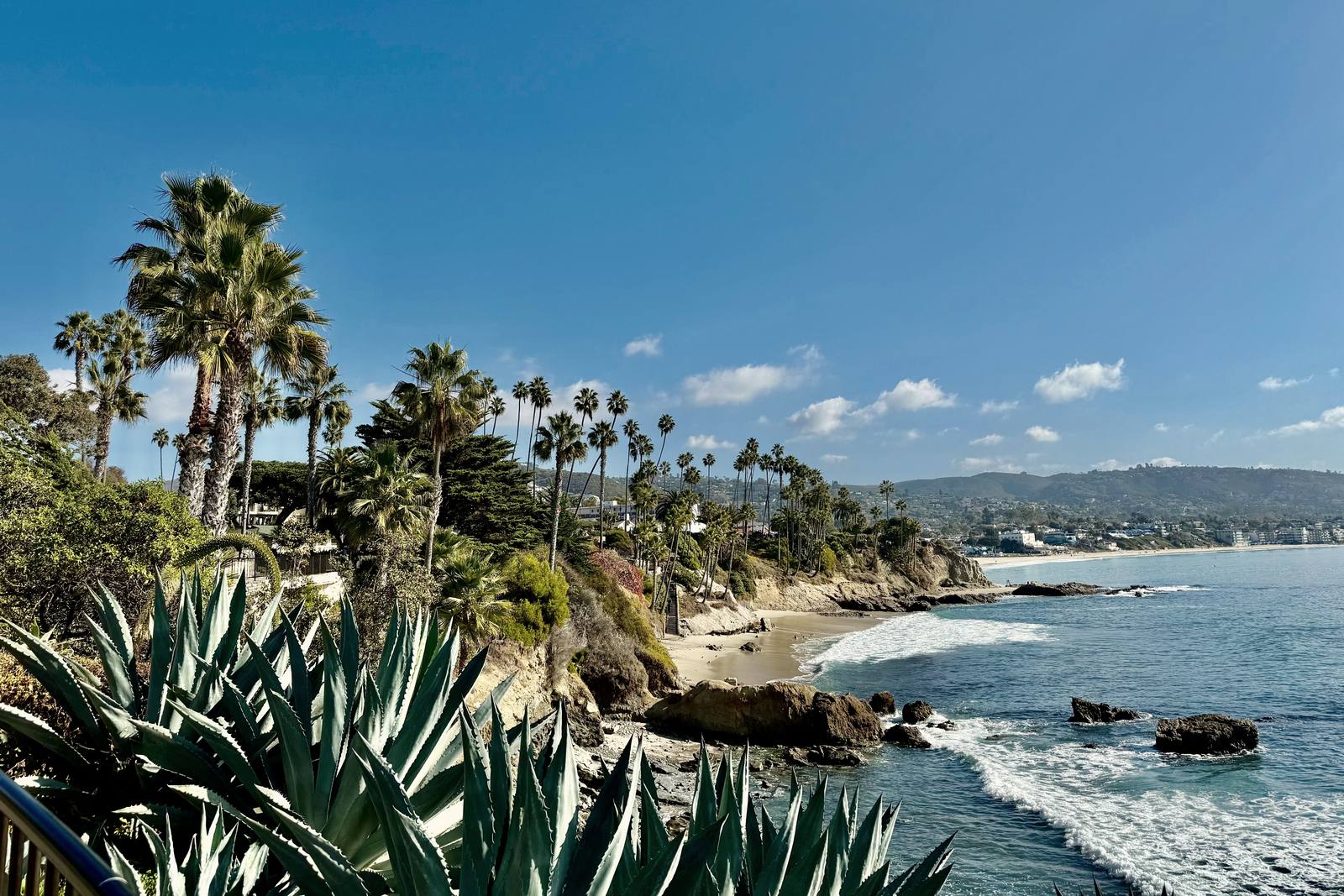
Small buildings and single houses on the bluffs and coves of the south coast, where Laguna Beach has held new buildings to 36 feet since a 1971 vote, and almost every project needs a coastal permit.
How a purchase works here
A new condominium in California is sold under a public report from the Department of Real Estate. With a preliminary report, a developer may advertise and take reservations, but a reservation binds no one: either side can cancel, and the whole deposit, held in escrow, comes back. A purchase contract needs a conditional or final report, and the buyer receives a copy before signing. Under a conditional report, the sale cannot close until the final report is issued.
At closing, Orange County charges a documentary transfer tax of $1.10 per $1,000 of the price. Its cities, unlike Los Angeles and San Francisco, add none of their own, so the tax stays small even at the top of the market. The contract says who pays; in California it usually falls to the seller.
Many newer neighborhoods, in Irvine above all, lie within community facilities districts, known as Mello-Roos districts, which levy a special tax on each home to pay for the roads, schools and parks built with it. The buyer receives a notice of the special tax before the sale, and the tax appears on the property tax bill for as long as it runs.3
California’s Right to Repair Act sets standards for new homes, condominiums included. The builder must give at least a one-year written warranty on fit and finish, and most claims under the act can be brought up to ten years after completion.
Our buyer guides cover each step: buying pre-construction in California and buying new construction in California, from public reports and deposits to transfer taxes and the supplemental tax bill.
What a developer works with here
- Demand before contracts. A preliminary report allows advertising and refundable reservations, so a launch can measure demand line by line before anything is signed.
- A clock on conditional reports. Under section 11018.12 of the Business and Professions Code, as the Department of Real Estate summarizes it (PDF, opens in a new tab), a conditional report runs six months, renewable once, or up to 30 months for an attached condominium of 25 or more units. No sale under it closes before the final report.
- The coastal zone. Near the shore, a building needs a coastal development permit, from the city where its local coastal program is certified and otherwise from the California Coastal Commission, and an appeal can add months. Plan the schedule around it.
- A public vote in Newport Beach. Under the city’s charter, a general plan change that adds more than 100 homes, 40,000 square feet or 100 peak-hour car trips in an area goes to the city’s voters. Know where a site stands before buying the land.
- Heights near the airport. Sites near John Wayne Airport are reviewed against its flight paths, which can cap a tower’s height before the city does.
- Special taxes in the price. Where a district’s special tax applies, buyers weigh it with the monthly dues. Show the full cost of ownership plainly in the sales materials.
- Buyers from New York. Marketing a California building to New York residents brings New York’s filing rules with it, as our New York page explains.
Costs and rules at a glance
- Transfer tax
- One city and county tax, rising with the price to 5.5 percent from $10 million and 6 percent from $25 million
- Property tax
- About 1 percent of the purchase price plus local charges and any special district tax, with the assessed value rising no more than 2 percent a year
- Homeowners’ exemption
- $7,000 off the assessed value of a primary home
- Warranty
- At least one year on fit and finish; most claims under the Right to Repair Act up to ten years
A launch, step by step
- Preliminary report. Advertising and refundable reservations begin, and prices and lines are tested before contracts.
- Conditional or final report. Purchase contracts are signed, each buyer receiving the report first.
- Construction. Under a conditional report, the final report must be issued before any sale closes. Weekly reporting shows whether pace meets the lender’s threshold.
- Closings. Title passes after the final report, with transfer taxes paid as the contract sets.
What we will do here
When we open Orange County, we will work as we do in our other markets: advice before launch on pricing, unit mix, plans and amenities, the buyer profile and the launch strategy, then a sales report every Monday against the plan. If you are planning a building in Newport Center, in Irvine or on the coast, we are glad to talk it through now.
Sources
- California Department of Real Estate, preliminary public report notice (PDF, opens in a new tab) and conditional public report application (PDF, opens in a new tab).
- California Revenue and Taxation Code, section 11911 (opens in a new tab), the county documentary transfer tax.
- California Government Code, section 53340.2 (opens in a new tab), the notice of special tax.
- California’s Right to Repair Act, summarized by FindLaw (opens in a new tab).
General information only, not legal, tax or investment advice. California’s rules and Orange County’s local rules change, and every project is different. Review any purchase or project with a California real estate attorney.